RAM prices are skyrocketing, sayeth Ars Technics. Demand from AI systems has caused shortages, exacerbated by panic buying, just like toilet paper during the COVID pandemic. As a result prices have doubled, tripled, and even quadrupled in just the last quarter – and that’s assuming what you want isn’t sold out.
It’s only going to get worse. Micron Technology announced today that they are exiting the consumer space, which is a Crucial blow. Why? Blame AI again. Memory manufacturers are reallocating production capacity to produce the high-bandwidth memory (HBM) used in AI accelerators.
What I’m wondering is: given that products using Apple Silicon have unified memory in the System on a Chip (SoC), does that mean Apple products are largely unaffected? Or will they be hit by increases in costs for flash memory?
Apple doesn’t buy chips on the spot market. They have long-term high-volume contracts with the chipmakers. So they won’t be affected by short-term pricing fluctuations.
Will this be a short-term price spike or something we’re going to be dealing with for the next few years? It’s anybody’s guess, but in the tech world, everything changes quickly, including pricing trends.
I wouldn’t worry about it that much. Yes, it’s going to cost more if you need parts now, but if you can afford to wait a bit, I can guarantee that they’ll come back down again. I just can’t say how long it might be.
Market forces in play. There’s heavy demand for DRAM chips for an extended period of time, and the big manufacturers are therefore investing big money to increase production capacity.
Just want to add the TSMC Arizona project might not have much effect on chip supply in the short-medium term. It’s been more of a political and PR investment for TSMC than a manufacturing expansion over the last several years.
Well, yes. It takes several years for new fabs to come on line. But they wouldn’t be doing all that if they didn’t expect to need the capacity in the future.
Does producing an SoC use the same foundries as “normal” memory? If so, once any deals that Apple has already made run out, they will have to compete with the everyone else for the same foundry capacity.
The unified memory exists not at the chip level, but the package level. The SoC contains the CPUs, GPUs, and Neural Engines, but the LPDDR memory is separate. Apple then combines them for a System in Package, or SiP. Keeping the memory very close to the chip increases bandwidth and reduces power consumption over discrete memory in exchange for not being upgradeable.
My understanding is that although Apple could theoretically make its own memory on the actual chip, the rest of the components of the chip compete on largely performance-based specs, whereas memory chips generally compete on price-based specs. SoCs are expensive; memory is a commodity.
And no, memory is not made the same foundries as SoCs, which is why the industry is dominated by Samsung, SK Hynix, and Micron, not the likes of TSMC, which makes Apple silicon.
Unified memory doesn’t mean the RAM is part of the CPU die.
An A- or M-series SoC has separate memory chips that are soldered to the CPU die as a part of manufacturing the overall package. Apple (or more likely TSMC) probably buys those chips from another vendor.
It is possible for someone with massive amounts of microsoldering skills to actually remove and replace this RAM.
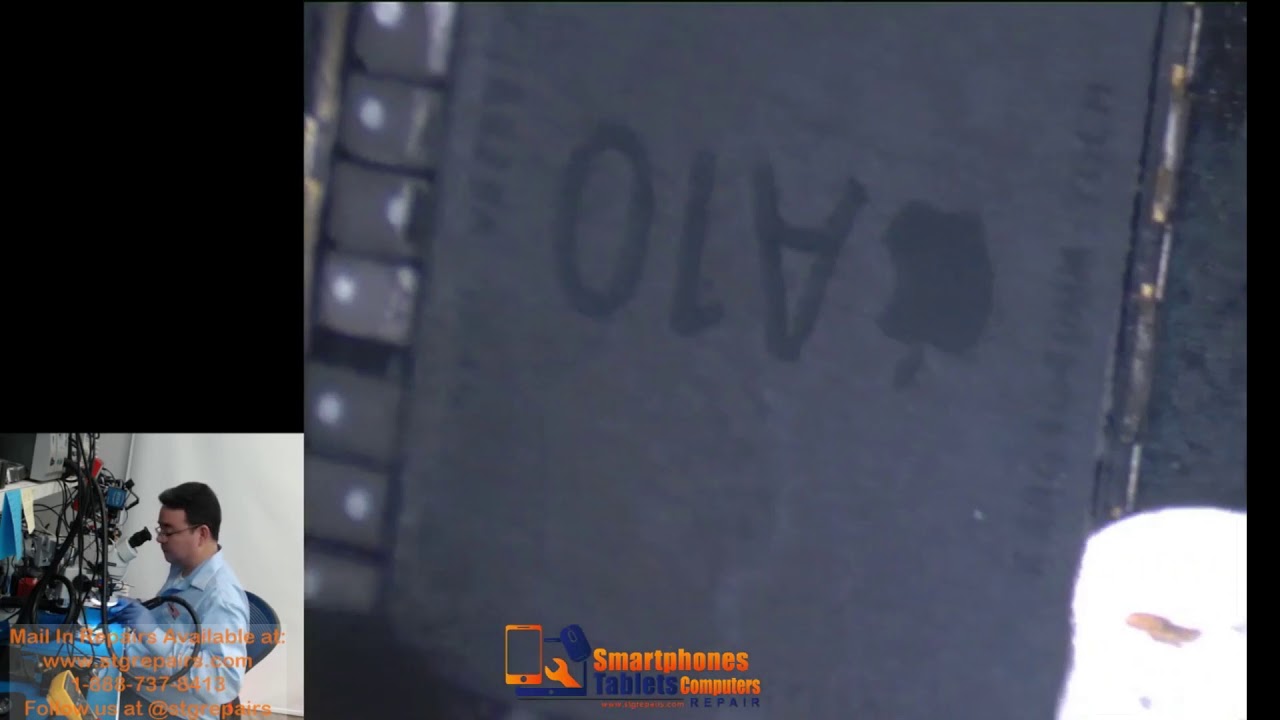
Here’s a YouTube video showing RAM removal from an A10 processor (iPhone 7). It’s a bit boring if you’re not interested in this kind of thing, but it proves that it can be done. I just wish they showed the subsequent replacement as well.
It should be the same DRAM (probably LPDDR) used on all kinds of other devices.
Of course, it won’t be in the ceramic packaging you might see soldered to a motherboard. It will be in a custom package so it can be soldered onto the rest of the SoC.