Thanks for sharing what you did. From 2021 to 2023 I ripped my collection of reel-to-reel tapes using Audacity and a Behringer UFO202 which works for reel to reel as well as cassettes. It’s been a while so I don’t remember all the details, but Audacity has an online discussions and instructions that helped me a lot. I’ll share my experiences.
I had little trouble with the reel to reel tapes. They date from the mid-60s into the late 80s, and many were bought used whenever I came across them. The few acetate tapes I had tended to break when played; they could be spliced, but then might break again, so I didn’t spend much time on them. All the rest of the tapes are mylar, which held up very well. I did not notice any audio distortion or facing, but I’m not a serious audiophile and many of them were taped from an FM tuner. I recorded most of them myself, but did save the music on some of the used tapes. All are on 7-inch reels.
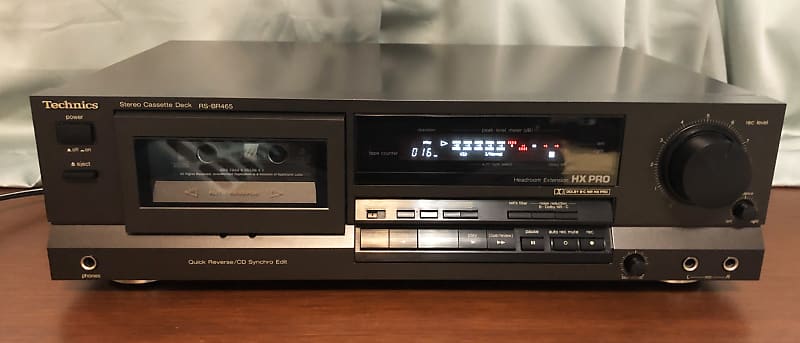
Cassettes were easier to handle, but they tended to jam. I can’t comment much about the quality, I recorded the cassettes to listen to when I was driving, so I didn’t pay much attention to quality. I only have a few commercial cassettes. The cassette decks and players tended to jam when playing tapes, probably because they had little used for years. If you want to work from cassettes, it would be worthwhile to test the decks/players for jams and try to fix them before recording. I have only tried fixing a couple.
I started out with a Sony 250A I bought in college, which was still operating when I started the project. The Sony was a low-end deck, and I was on a low-end budget in my student days, and it did a good job for many years. Sometime around the turn of the century I spotted a TEAC 1230 on the curb across the street, which I picked up, got it working, and used it along with the Sony lightly for many years.
Having two tape decks to compare made me more aware of something I had neglected before – the two channels played at different volumes on many of the tapes I had recorded. The difference seemed to have come from how the tapes were recorded. The origin seemed to have been a drop in how the Sony recorded one channel after I had used it for several years, and I lived with it as we used the tape decks less.
Then I started the project, I thought I could use the two decks to identify and fix the difference in channel volume. However after fiddling with several tapes, the Sony stopped and would no longer play tapes. That led me to dig into the Audacity instructions and learn how to balance the two channels and do everything on the TEAC, demonstrating how much better it was than the Sony.
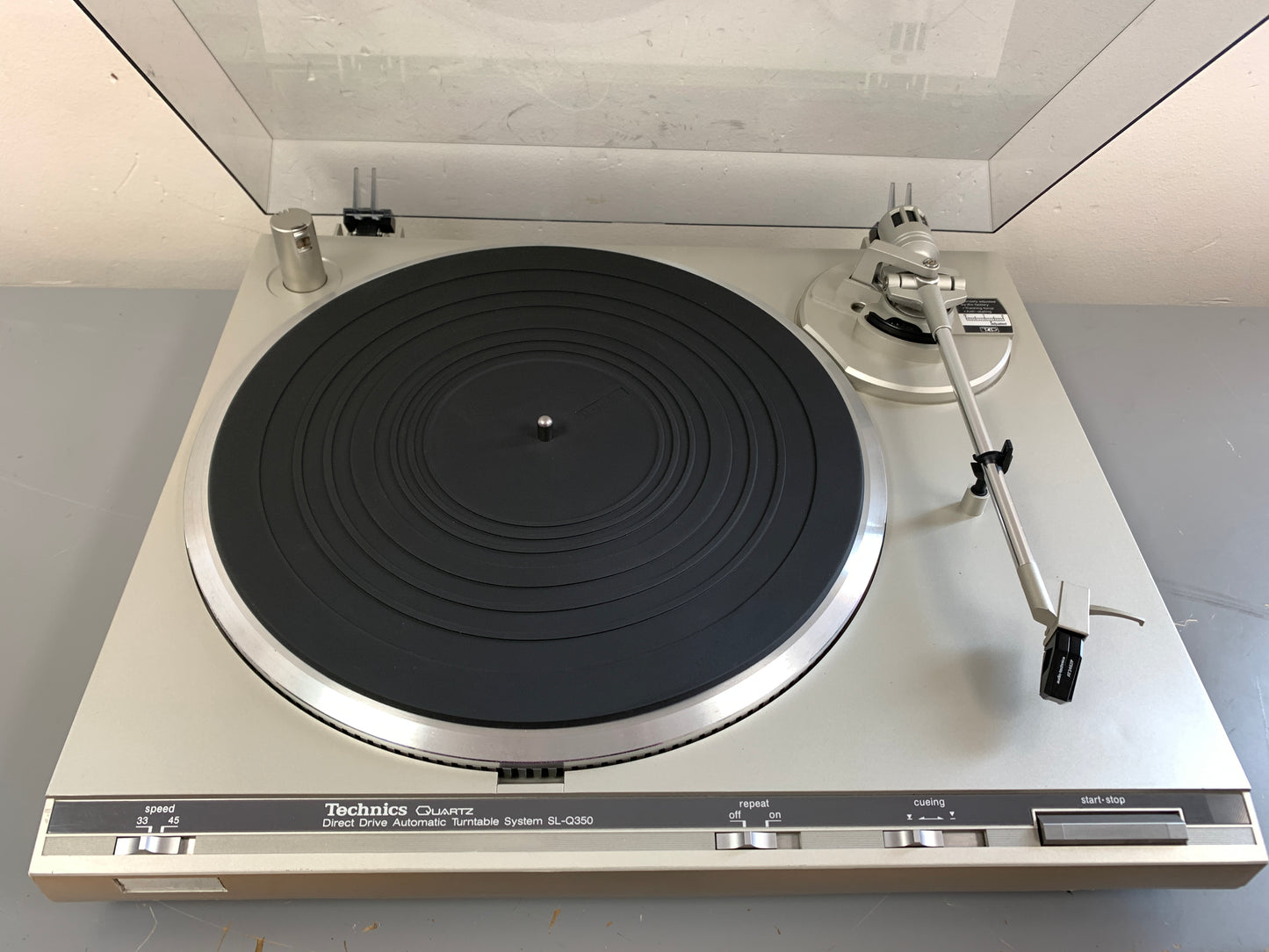
I have bought a Behringer for vinyl disks, but have yet to launch that project. We still have a working stereo on the living room with a CD player, cassette deck, and the TEAC reel deck. We have not noticed any problems with audio CDs, CD-ROMs or DVDs. And that’s where we are now.
The main thing I would say is that it can be well worthwhile to rip music from reel-to-reel tapes. My Mylar tapes have survived well; I can’t say anything about post-1990 tapes because I never bought any. From my experience, reel-to-reel is more rugged than cassettes (both tapes and decks).